


After attack in the Mediterranean, Russian LNG tankers change routes
After an attack in the Mediterranean Sea, Russian tankers carrying liquefied natural gas began to change their routes. One of them — the "Buran" tanker with cargo from the "Arctic LNG-2" project — refused to enter the Mediterranean Sea and headed around Africa, choosing a significantly longer route. Another tanker, Arctic Pioneer, returning from China without cargo, stopped off the coast of Egypt, writes Reuters.
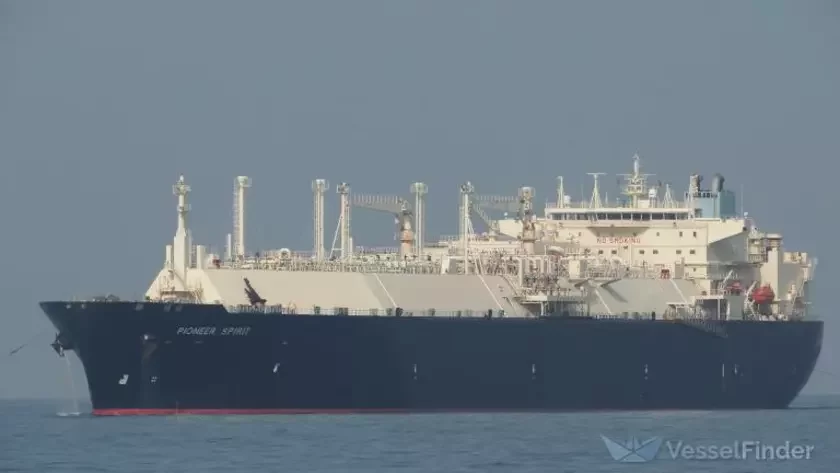
Arctic Pioneer tanker. Illustrative photo: vesselfinder.com
On March 3, another tanker, Arctic Metagaz, which was working for the same project, was sunk off the coast of Libya in the Mediterranean Sea. According to reports, the vessel was attacked by naval drones and unmanned boats. The crew was rescued.
Russian authorities stated that Ukraine allegedly stands behind the attack, calling it international terrorism and maritime piracy. The Ukrainian side did not claim responsibility for the incident.
The loss of even one such vessel is considered a serious problem for the "Arctic LNG-2" project, which is already under Western sanctions. Unlike oil tankers, there are relatively few specialized gas carriers in the world, making them difficult to replace quickly.
The sunk tanker was built back in 2003, but still remained an important part of the fleet. The "Buran" tanker belongs to the latest series of Arctic gas carriers that the company received in South Korea in 2023.
Analysts note that the threat of new attacks forces the Russian fleet, used to transport gas bypassing sanctions, to change routes. This further complicates exports from the "Arctic LNG-2" project.
In fact, the only buyer of gas from this project currently is China, which receives it through a complex logistical scheme and, presumably, at a rather low price.
































Comments