


What should parents do if their child is bullied at school, so that bullying doesn't end in tragedy? A psychologist explains
Recently, a tenth-grade cadet in Brest ended his life by suicide. The cause of the tragedy is attributed to bullying at school.
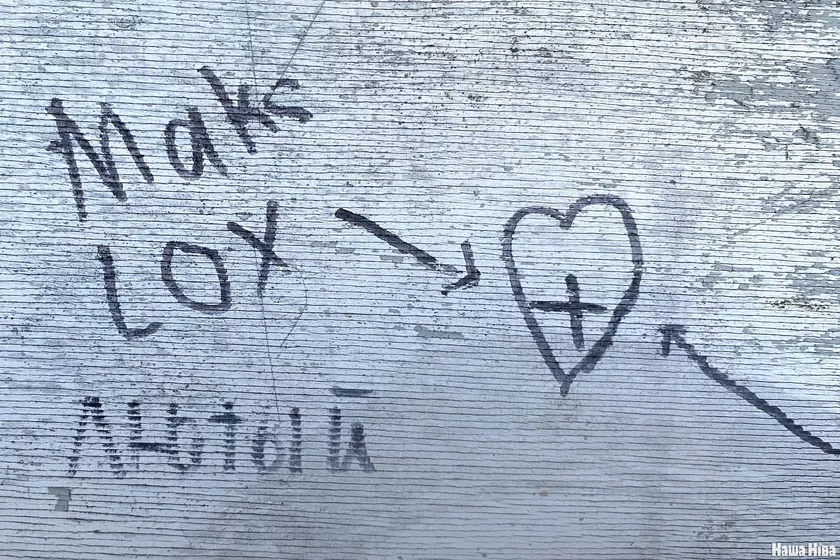
Can bullying really drive a child to extreme measures, why do some children become targets, and why doesn't the school always cope with bullying, and what can adults do in this situation? We discussed this with psychologist and cognitive-behavioral therapy specialist Liliya Khedzina.

Liliya Khedzina. Photo from personal archive
When adults need to intervene
— To what extent can school bullying truly lead a child to suicide?
— It can! Numerically speaking, in the overall structure of suicides, bullying rarely acts alone: in various analyses, it is mentioned as the sole cause in approximately 6-8% of adolescent deaths, whereas depression, anxiety disorders, family conflicts, and other psychosocial factors appear much more frequently. However, studies show that adolescents who are bullied have a significantly higher risk of suicidal thoughts and attempts compared to peers who do not face bullying. This means that bullying is not the "sole culprit," but it is a strong risk factor that can be the last straw in a situation where a child is already in a state of inner helplessness and isolation. Prolonged bullying forms stable negative beliefs in a child: "I am worthless," "there's something wrong with me," "this will never end."
The age of 12-16 is also a period when a child especially needs to feel part of their peer group, and negative experiences here significantly impact their self-esteem. Add catastrophizing and maximalism, typical for adolescents, plus the romanticization of depression, self-harm, and suicidal behavior in culture – all these are factors that increase risk.
— What is considered bullying today, and what is a normal conflict between children? Where is the line where adults need to intervene?
— A conflict is a clash between two relatively equal parties. It can be emotional, but it lacks systematicity and the goal of humiliation. They argued, couldn't share something, got upset about it, maybe even ended a friendship – but then life usually returns to normal. A child might be disappointed, worried, upset, but these are normal emotions for a conflict.
Bullying, however, has three key characteristics:
1. Systematic nature. This is no longer a one-time argument, but repeated pushing, insulting, damaging belongings, teasing, constantly looking for any convenient excuse to humiliate someone.
2. Imbalance of power – physical, social, or psychological. For example, one participant in the conflict turns an entire group against another. Or, having influential parents, regularly threatens to cause harm.
3. The goal to humiliate or exclude. A popular type of psychosocial bullying is specifically aimed at this – spreading sensitive, delicate information (which may or may not be true).
That is, bullying is aimed not at resolving a conflict situation, but at poisoning a person's existence. Unfortunately, often successfully.
If a child is afraid to go to school, changes behavior, complains that their friends have become enemies – adults need to intervene, because if you notice changes, the process is just gaining momentum. This is why trusting daily conversations with your child are so important.
Who becomes a victim and where do aggressors come from?
— Why do some children become targets? Are there typical risk factors?
— A target is more often not someone weak in an absolute sense, but rather someone who deviates from the unspoken norm of the group. Any difference — appearance, accent, interests, successes or, conversely, difficulties in studies — can make a child more noticeable. In an adolescent collective, where there is a high need for conformity and belonging, difference easily turns into a reason for exclusion.
Social isolation also increases the risk: if a child doesn't have one or two stable allies, it's easier for an aggressor to start and maintain bullying. A group rarely attacks someone who has clear and consistent support.
Anxious children or children with low self-esteem often behave tensely, may blush, get lost, withdraw. From the perspective of behavioral psychology, this can involuntarily "reinforce" the aggressor: they see a reaction and get a sense of control. At the same time, it's important to emphasize: this is not the child's fault, but a characteristic of the situation's dynamics.
And one more factor — difficulties with a firm response. If a child doesn't know how to confidently say "stop," doesn't maintain eye contact, can't ask for help, they appear less protected.
In cognitive-behavioral therapy, we talk about a deficit in assertiveness skills (assertiveness is a person's ability to confidently assert their rights, boundaries, interests, and opinions, without yielding to pressure or using aggression. — NN), not about "weakness of character." These skills can be trained with a psychologist or through self-help materials. Look for assertiveness skills training together with your child. This, by the way, can help not only to avoid victim status, but also, conversely, to prevent a shift to the role of an aggressor.
— What kind of children most often become aggressors? And how does group bullying form, when an entire class gets involved?
— Aggressors in school stories are usually portrayed as villains, negative characters, or perhaps even psychopaths. But in the vast majority of cases, this child didn't wake up with a desire to hurt someone; chains of specific events and factors led them to this state, and they try to solve their psychological problems through aggression.
First, these are children with a high need for status, because in adolescence, status in a group is the most valuable currency. Some achieve it through success, some through charisma, and for some, it's easier to gain it through a display of power.
This depends on the ratio of biopsychosocial factors. Humiliating another is a quick way to show: "I'm on top." The group laughs, supports, remains silent – and the behavior is reinforced. If aggression brings social "profit," it becomes entrenched.
A significant risk for the development of aggressive behavior is created by living in a model of power relationships. If conflicts at home are resolved with shouting, humiliation, or pressure, the child learns this as a norm, because they haven't seen other models. In their worldview, relationships are a competition for dominance. That's why school becomes a place where this model is replayed.
Some children poorly recognize the emotions of others or don't know how to stop when they see pain. This can be related to insufficient development of emotional competence, impulsivity, sometimes – to their own anxiety or internal vulnerability masked by cruelty. Aggression becomes a way to reduce their own tension.
Group bullying arises when the class adopts an unspoken norm: "this is allowed and it works." In addition, mechanisms of conformity and depersonalization also influence – responsibility blurs, while each of the bullies gets a feeling of victory.
I'm not advocating for "understanding the aggressor"; explanation is not justification. But if we want to stop bullying, we need to work not only with the victim, but also with the attackers and with group norms. Otherwise, we're treating a symptom while leaving the mechanism unchanged.
How to tell if a child is being bullied
— Bullying in schools seems to have always existed. What has fundamentally changed in the school environment and in children's lives today?
— There are several aspects here, and not all of them are negative.
On the one hand, the accessibility of gadgets and social networks increases the number of cyberbullying cases — bullying via the internet, public or private. And the ease with which this can be done while remaining anonymous adds confidence and determination to aggressors.
Moreover, the internet provides access to various radical ideas: for example, in the widely discussed series "Transition Age," the main character fell under the influence of real influencer Andrew Tate, a well-known misogynist who spreads principles of gender hostility and promotes theories of the so-called manosphere (manosphere — a term referring to a network of online communities that promote ideas of masculinity and male dominance, criticize feminism, and often advocate misogynistic views. — NN).
But on the other hand, educational efforts in this direction are making themselves known, and significantly more children understand ways to resist bullying, possess certain emotional regulation skills, and have high emotional intelligence. Western countries have been more fortunate in this regard: Europe and the United States invest a lot of time and effort in anti-aggression work. Schools conduct social skills training and bullying prevention. Parents are more attentive and understanding of their children's internal, emotional processes.
The general educational direction of the state has a significant impact on the social vector. Unfortunately, Belarusian reality differs from Western neighbors, and the principle "whoever has the weapon is right" is actually supported at the state system level in the country, no matter what education sector employees try to convey to students. Children observe how the world works and adopt behavior models from what they see.
— By what signs can parents understand that their child is being bullied if the child doesn't tell them? What should be alarming?
— Observe changes in your teenager's behavior. Be alarmed by:
- Sudden refusal to go to school. Yes, not everyone likes to study, but if there's a friendly atmosphere in the class, the child will be drawn there.
- Complaints about health without a medical reason. Complaints can simply be an excuse to avoid appearing in class, or they can be a real feeling of pain or tension of a psychogenic nature.
- Sleep disturbances. If a person's survival system is active, the nervous system is always in an aroused state, so resting peacefully can be problematic.
- Sharp mood swings. Any mention of school, friends, relationships can disrupt even a positive mood if these topics are associated with feelings of fear, loneliness, humiliation.
- Systematic loss of belongings. A child can be distracted, of course, but if there were no problems with this before, and suddenly a pencil case is lost, a backpack is damaged, or gym clothes can't be found – this could be a sign that their belongings are being damaged at school.
- Social isolation. Why would a teenager not be drawn to other children, when this is the age of building their circle, their 'pack'? Only if they face the threat of rejection, shame, vulnerability.
— Why do children so rarely tell adults about bullying?
— Children rarely tell because, first, they fear revenge, they fear worsening their situation, they think adults will only mess things up. Shame and guilt also play a significant role in concealment: they don't want to appear before their parents as those rejected or canceled by the pack.
It's never too late to start a conversation from the position of "I see you're having a hard time. I'm on your side." But this position on the part of parents must be sincere and align with the consequences. Otherwise, the child's trust can be lost.

Illustrative photo. Photo: LookByMedia
What adults should do - parents and teachers
— What mistakes do parents most often make when they find out about bullying at school? Should they immediately go to school to "sort things out" – and how to do it correctly?
— The first reaction of parents is often emotional, and our emotions offer us only three options for action: fight, flight, or freeze.
The most common reactions are devaluing ("don't pay attention," "everyone went through this"), blaming the child ("maybe you provoked it yourself?"), demanding to "be stronger," or an impulsive, aggressive visit to the school. All of this, even with good intentions, can worsen the situation: the child will feel even more alone or will be afraid that the conflict will only escalate.
A more effective strategy looks different. First, calmly listen and validate emotions: "I see you're having a hard time, and I'm on your side." Next, assess if there's a threat to safety, document the facts (if it's cyberbullying, take screenshots), and only then communicate with the school in a constructive manner, not with threats, but by seeking cooperation options.
If necessary, involve the school psychologist or an independent specialist. The goal of adults is not to "punish the guilty at any cost," but to stop harmful behavior and restore the child's sense of safety and dignity.
If necessary, the child can be transferred to another school. But if they are not taught communication skills and personal resilience, the problem may recur in a new collective.
— And how to teach a child to react correctly to bullying and protect themselves? Is it worth teaching them to "hit back"?
— The idea of "hitting back" sounds simple and, it seems, logical, but in reality, physical aggression almost always worsens the situation: the conflict escalates, the child may face disciplinary consequences, and the group becomes even more deeply involved in the confrontation.
It is worth training (precisely training!) confident, short responses without excuses, the ability to ignore provocations where the aggressor is specifically seeking an emotional reaction, strengthening social connections and support. A child who is not alone is significantly less vulnerable.
In cognitive-behavioral therapy, we work on three levels: thoughts, emotions, and behaviors. It is important to help the child not to accept others' words as "proof" of their own worthlessness. Because if the internal formula becomes "there's something wrong with me," aggression begins to destroy from within and becomes a driving force. Therefore, one should not advise to suffer in silence or be ashamed to ask for help. Seeking support is not a weakness, but an adult and healthy strategy.
— Why do teachers often not notice or ignore bullying? Why does the school often fail to deal with bullying and what should it do when bullying is already happening?
— Generally speaking, ignoring a complex process, avoiding it, is easier than getting involved: because then something needs to be done. And to do something, one needs to understand exactly what. From this point of view, I also have a rather pessimistic view of the situation in Belarus, because to be not just a teacher of one's subject, but a pedagogue, a high level of education and a proactive personal stance are needed, but people who meet these criteria can mostly compete in the labor market for a good income level, which, in turn, cannot be provided by the state system. Moreover, this system suppresses inconvenient initiatives, trying to cover up a situation that is unflattering for statistics. Of course, there are exceptions, but we are talking about a general problem.
Bullying is never just a story about the victim and the aggressor – it's always a signal about how the entire group functions. If the class remains silent, laughs, or pretends nothing is happening, aggression receives silent support. Therefore, the school must have a clear response protocol so that every adult understands what and how to do, work with the class as a system – change group norms, involve observers, foster responsibility for the overall atmosphere. And it is especially important not to ignore trivialities: it is often from jokes, taunts, and isolation that what later becomes systematic bullying begins.
— What can be done in the family to reduce the risk of a child becoming a victim or an aggressor?
— Bullying prevention begins not in the school hallway, but at home. A stable emotional connection with parents is a basic psychological safety net. If adults regularly show interest in their child's life, listen without judgment, and don't devalue their experiences, the child develops an internal sense of support: "There's 'something wrong' with me not because I'm bad, but because the situation is difficult."
Equally important is developing emotional regulation and assertiveness skills. A child must learn to recognize their anger, fear, shame, be able to talk about it, and protect personal boundaries without aggression. If conflicts in the family are resolved with respect, without humiliation or shouting, this becomes a natural behavior model for the child at school as well. Extracurricular activities can include aggression management training and social skills training.
And, perhaps, most importantly: it's not just about physical safety, but also about dignity. A child must clearly know that humiliation is not normal, even if "everyone jokes like that." And staying silent about injustice is not strength, nor an obligation to the group. The sense of self-worth is built and maintained in the family, and although it's not a bulletproof vest against everything, it's a very strong internal support.


































Comments
Тры вучнi штодзенна цкавалi майго сына. Гэта цягнулася зпаугода, мо крыху болей. Мой хлопец доуга трывау, не скардзiуся мне, але у адзiны дзень прыйшоу дамоу з разадранай кашулей.
Цяжка, але я разгаварыу сына, дазнауся прозвiшчы траiх вучняу якiя датычылiся да цкавання. Некалькi разоу размауляу з класным кiраунiком - сэнсу нуль. Троiца не звяртала увагi на класнага кiраунiка i на яе папярэджаннi. Тады я взярнуся да дырактара школы. Па тэлефоне толькi дамовiуся на сустрэчу, а размауляу з дырэктарам непасрэдна на сустрэчы.
Апасля тэлефанавання да дырэктара да мяне тэлефанавалi бацькi гэтай троiцы каб "дамовiцца" i не праводзiць сустрэчу, а на самой справе спрабавалi адбялiць сваiх дзiцяткау, але мая пазiцыя была нязменнай.
Сустрэча адбылася, прытнiчау псiхолаг таксама. I ведаеце што? Усе добра! Бацькi троiцы былi вусна папярэджаны пакуль на узроунi навучальнай установы, але гэтага было дастаткова, как цкаваннi спынiлiся як i не было нiчога.
Пагэтаму я так буду казаць: не саромейцеся зьвяртацца вышэй чым бацькi дрэннага падлетка, чым класны кiраунiк. Хто як ня бацькi абароняць свае дзiця?
[Зрэдагавана]