


Tehran as weak as never before: protests in the country and Trump's threats have made the situation for Iran's authorities extremely serious
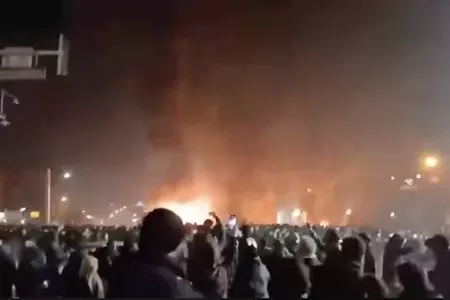
Street protests are not a new phenomenon for Iran, but the current unrest is accompanied by several new factors, making the situation extremely serious, writes a BBC Persian Service columnist.
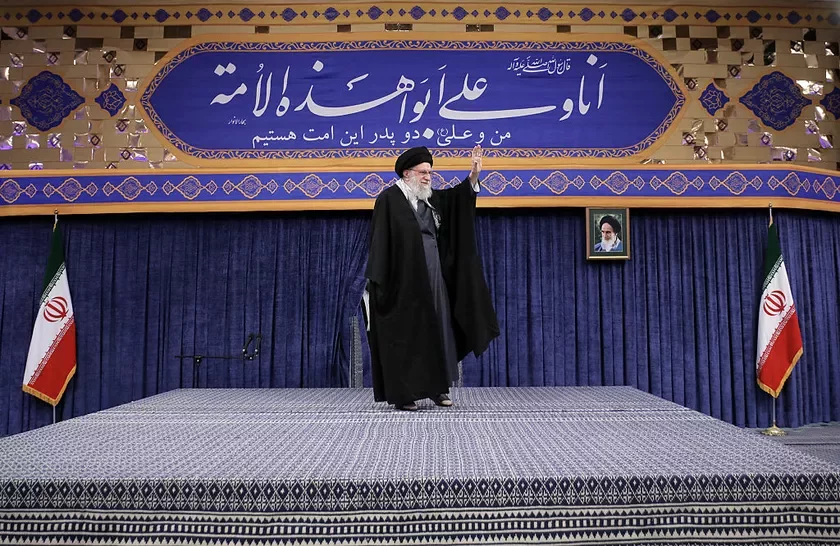
Iran's 86-year-old leader, Ayatollah Ali Khamenei. Photo: RANIAN LEADER PRESS OFFICE/Anadolu via Getty Images
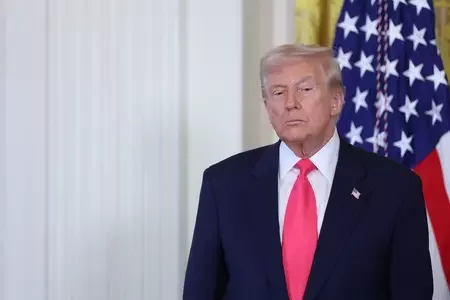
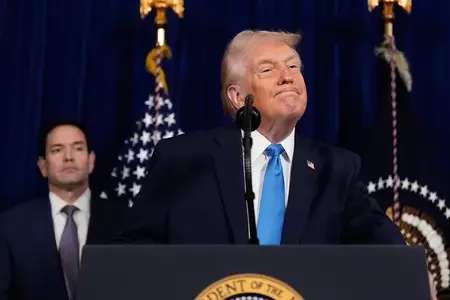
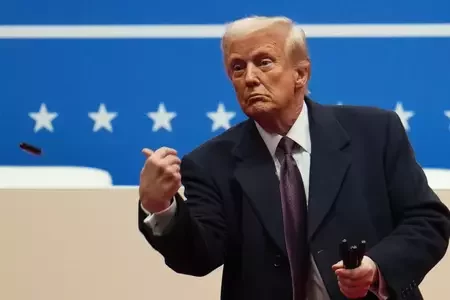
10 days have passed since the protests began. US President Donald Trump needed only the first four or five days to threaten the Iranian authorities with intervention if they kill protesters.
“We are in full combat readiness,” Trump wrote on the Truth Social network.
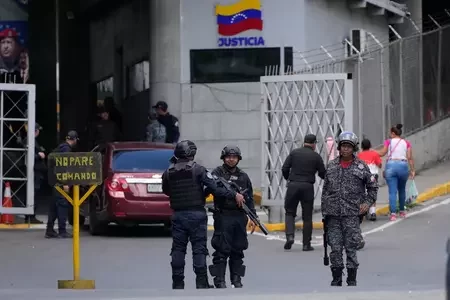
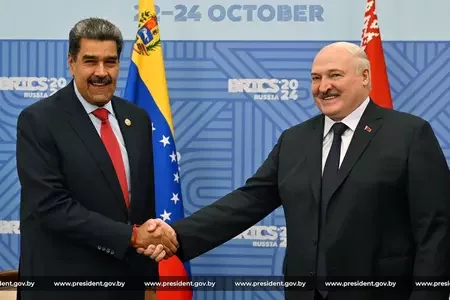
Then the US captured Venezuelan leader Nicolás Maduro, and the next day, on Sunday, Trump once again threatened the Iranian authorities.
The fact that the current US president makes such unambiguous threats while protests are still ongoing is a rather unusual phenomenon. This could embolden demonstrators and spur the spread of protests across the country.
Iranian police and other security forces have been acting harshly almost from the start: human rights activists claim that over 20 people have already been killed. Now everyone is waiting to see what step Trump will take.
Protests began on Sunday, December 28. Initially, they were peaceful. The reason was a sharp rise in prices and a dramatic fall in the value of the Iranian rial against the US dollar: the dollar appreciated by approximately 80% in one year.
Economic Crisis
The Iranian economy is in an extremely difficult state. There is almost no hope for growth this year or next. Inflation for the year, according to official data, reached 42%, with food prices increasing by more than 70%, and some essential goods by more than 110%.
"Sanctions Speculators"
The main role in this was played by sanctions imposed against Iran by foreign states led by the US, but it's not just about them.
High-profile corruption cases in Iranian courts, involving high-ranking officials and their relatives, have strengthened the belief among many ordinary Iranians that part of the ruling elite profits from sanctions. These individuals, having secured special privileges and controlling import and export, divert oil sales revenue abroad and make money through money laundering.
Even government officials say that the so-called "sanctions speculators" are more to blame for the country's current difficult situation than the sanctions themselves.
Among the first to openly protest were traders from Tehran's Grand Bazaar. In protest against the daily fluctuations in the rial's exchange rate, they closed their shops and took to the streets, demanding that authorities intervene and stabilize the markets.
Soon, representatives of other segments of society joined the demonstrations. Economic slogans quickly turned political — even to the demand to abolish the Islamic Republic altogether.
Students, small entrepreneurs, and representatives of other social groups took to the streets in various cities across the country. Very quickly, slogans directed against Iran's supreme leader were heard again at the demonstrations.
The last time unrest of a comparable scale occurred in Iran was almost four years ago — after the death of Mahsa Amini, a girl detained by the morality police. At that time, the country was gripped by the largest wave of protests since the 1979 Islamic Revolution.
Those protests shook the foundations of the Islamic Republic but were eventually suppressed by force.
The current protests instantly spread from Tehran to other cities and have been ongoing for several days, but they have not yet reached the scale and intensity of the 2022 demonstrations.
The press in Iran is strictly controlled by the authorities, and foreign agencies and publications are either completely forbidden to work there or are allowed with strict restrictions on movement within the country. Therefore, most of the information about what is happening comes through social networks and eyewitness accounts. This significantly complicates the verification of information: social networks contain many fabrications, unsubstantiated claims, and distortions of reality, which is now further exacerbated by the capabilities of artificial intelligence.
Despite this, many observers believe that the current crisis could have more serious consequences than the 2022 unrest. Iranian authorities are simultaneously facing internal protests and a sharp change in the regional situation. Therefore, it is generally believed that they are now weaker than ever.
A Series of Defeats
The turning point was the 12-day war with Israel in the summer of 2025. The US directly participated in this conflict, striking Iran's nuclear facilities.
During the war, Israel and the US inflicted serious damage on Iran's nuclear infrastructure, as well as several other industrial facilities, significantly undermining Tehran's military power.
Iran's position as a regional power has also weakened recently. The overthrow of Bashar al-Assad in Syria deprived Tehran of a key ally. Another client and ally – Lebanon's "Hezbollah" – lost a significant part of its top leadership as a result of Israeli strikes.
Finally, US actions against Venezuela and the capture of Nicolás Maduro and his wife further reduce Iran's room for maneuver.
As a result of all these events, Iran's overall position in the region and the world has significantly changed: it has fewer allies in regional conflicts and fewer channels for operations with oil and its revenue in distant foreign lands.
At the same time, Iran, along with Russia, was very actively involved in the work of Venezuela's oil industry and relied on complex financial schemes, presumably linked to the Chinese market.
The destruction of these ties further weakens Iran economically precisely at a moment when internal pressure on the authorities is growing.
As a result, Iran's aging supreme leader, Ayatollah Ali Khamenei, who will soon turn 87, finds himself perhaps in the most precarious position of all his years in power.
For more than 30 years, Tehran painstakingly built a network of allied groups in the region, mechanisms to circumvent sanctions, and developed its nuclear program — and all of this has been destroyed or severely undermined in a relatively short period.
Meanwhile, as long as Trump is in the White House and Benjamin Netanyahu remains in power in Israel, no clear diplomatic or strategic ways out of this crisis are visible for Iran without paying a very high price.
Ayatollah Khamenei and his closest circle have for many years explained to Iranians that significant expenditures on allies in the region and on the nuclear program are necessary to ensure the country's security and technological development.
Now this argument is becoming less convincing. Internal and external pressure on Iran's authorities continues to grow, and Iran seems to be further from peace and stability within the country than ever before.
















Comments
-NN
"ЗША рыхтуюцца да новай аперацыі па захопе расійскага танкера, які раней уцёк ад пераследу каля берагоў Венесуэлы"
-NN
упэўнены NA 100%, ў Крамлёўскім ханскім ложку сёння шмат жоўтых кропак , ботакс пацёк ? узкі мір нафты да газа капут , нy што патрэбны нам хаўрусы з гэтымі luzerami ?