


Five Iranian female footballers received Australian visas — in Iran, they were called "traitors" for refusing to sing the anthem before a match
Australian police "moved the women to a safe place"
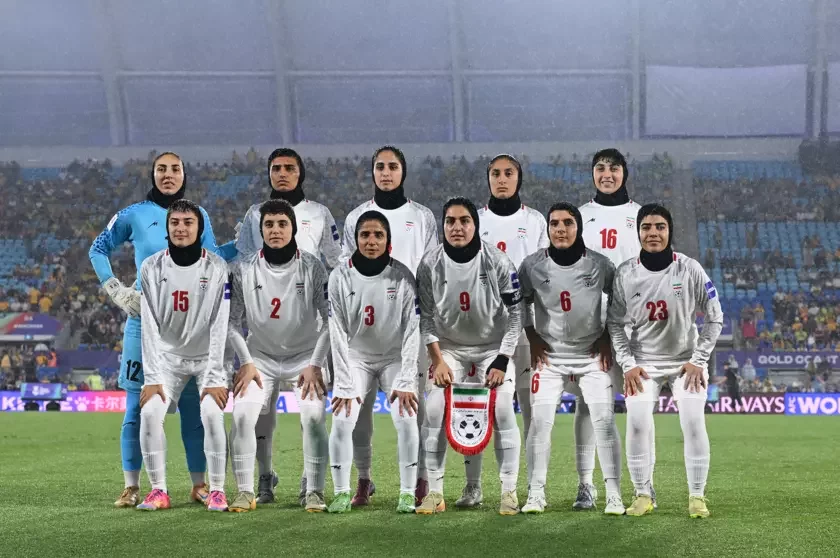
Photo: Albert Perez/Getty Images
Five members of the Iranian women's national football team received humanitarian visas in Australia after their elimination from the Asian Cup, writes the BBC.
According to Australian Immigration Minister Tony Burke, Australian police "moved the women to a safe place"—the remaining members of the Iranian team were also offered to stay in the country. Yesterday, the Nine newspaper reported that they managed to hide from their "curators."
Last week, five female footballers refused to sing the national anthem before a match against South Korea.
In Iran, one of the match commentators accused the team of being "wartime traitors" and demanded "severe" punishment.
The Australian humanitarian visa program provides permanent protection to refugees and people in need of humanitarian assistance. Holders of such visas can live, work, and study in the country, the BBC notes.
Australian media reported on Monday morning that five girls had left the hotel, sought help from the police, and were safe.
Later, US President Donald Trump called on Australian authorities to grant asylum to the entire team, and two hours later wrote on his Truth Social network that "five have already been helped."
However, not the entire team sought it. According to Trump, "some believe they must return because they fear for the safety of their families, who are being threatened if they [the footballers] do not return."
Earlier, the American president stated that the US would accept Iranian sportswomen if Australia denied them help.
The current situation is due to the fact that back home, the team's players and the accompanying delegation could face danger for refusing to sing the anthem of the Islamic Republic before the start of their first match.
Public fears intensified after the girls sang the anthem and made patriotic gestures in subsequent matches (the team played a total of three matches). This might indicate that after the first game, they themselves, as well as their families, might have been threatened with reprisals.
Now reading















Working in Poland or Lithuania? Support "Nasha Niva" — it's completely free for you, and we will be able to do more for Belarus and Belarusian culture!


















Comments
[Зрэдагавана]