


The share of unprofitable enterprises in Belarus has sharply increased — they now make up a third. Why is this happening?
According to Belstat data for January, almost 32% of enterprises in Belarus were unprofitable. Over the year, their number grew by 6.8%, but this is not the only alarming indicator.
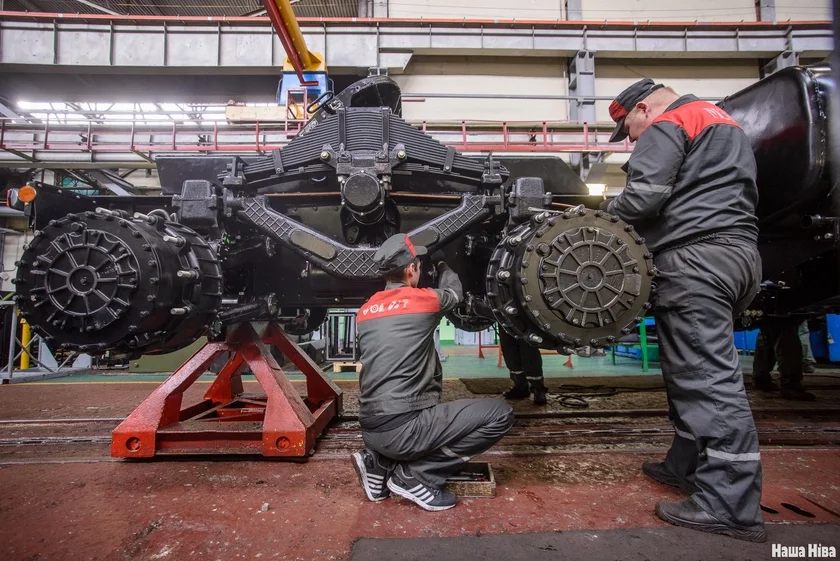
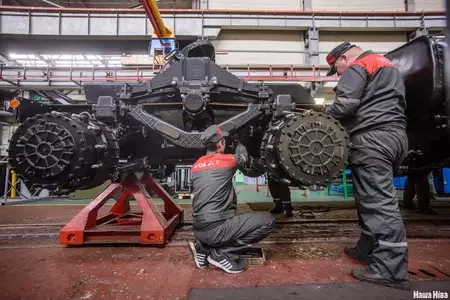
Illustrative photo. Photo: Nasha Niva
More than 30% — that's already a "wake-up call"
In January last year, the share of unprofitable enterprises was 25.1%. The situation improved throughout the year, but, even taking into account some seasonality of the indicator, 2026 began with a sharp deterioration.
For a better understanding of the situation, BEROC expert Dzmitry Kruk suggests looking at the situation in 2019 and 2021, when the share of unprofitable enterprises was within 15-20%.
«When we go above the 30% range, it's already a wake-up call, indicating that something is wrong», — says Kruk.
One of the main reasons, the economist names problems with exports, which the authorities also acknowledge.
«Demand in the Russian market has worsened, and in addition, there are constant disruptions in supplies to other countries, which significantly affects profitability», — says the economist.
Another important indicator that Kruk draws attention to is the level of finished product inventories, which as of March 1st, rose to 90.6% of average monthly production.
«In years when the economy and the corporate sector are doing well, this indicator fluctuates between 60-65%. Even during the pandemic, in July 2020, finished product inventories were around 80%».
Since export demand has decreased, production cannot maintain the volumes achieved in 2024 — early 2025, and warehouse inventories have grown.
Time to pay for wage growth and price containment
Among the additional reasons why the number of unprofitable enterprises is growing, the economist names excessive wage growth, which occurred due to a labor shortage.
«Wages grew faster than labor productivity. This gap in wage and productivity growth, observed since 2022, can be said to have been paid for by the corporate sector.
From a financial perspective, they shouldn't have paid such wages, but since there was no other option, because otherwise there would be no one to work, enterprises increased wage costs», — explains the expert.
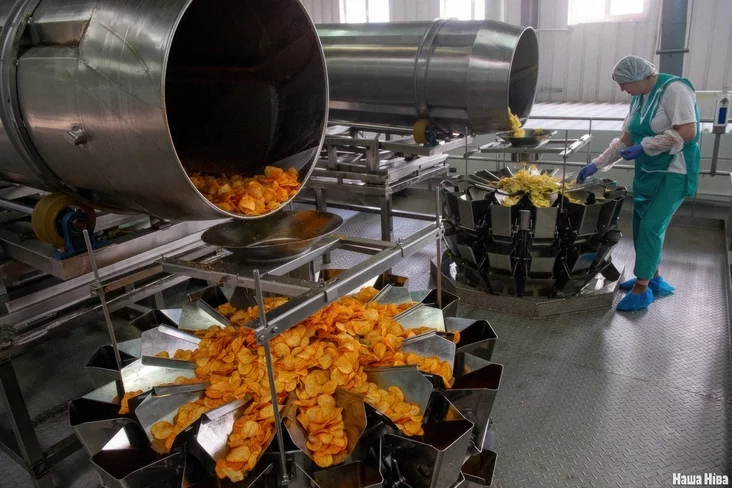
Illustrative photo. Photo: Nasha Niva
Price containment also had an impact, reducing the profitability of firms and enterprises focused more on the domestic market.
«This was also an important reason for the deterioration of the financial condition, because if your prices are artificially frozen, and expenses are high, then, accordingly, the profit level will be limited», — explains the economist.
Thus, the current situation was largely predictable, as wage growth and simultaneous price containment ran counter to objective economic reasons. In addition, after 2022, the Belarusian economy lost its multi-vector nature and became almost entirely dependent on the Russian market, which is also suffering due to the war and sanctions.














Comments
Хто-та врот палучаецца?