


Boston Dynamics begins mass production of the Atlas humanoid robot. It will go to work at Hyundai factories
At CES 2026, Boston Dynamics made a historic announcement: the famous Atlas robot, which for years amazed the internet with its dances and parkour, will finally become a full-fledged commercial product. The company has started assembling the final production version, designed for real work in enterprises.
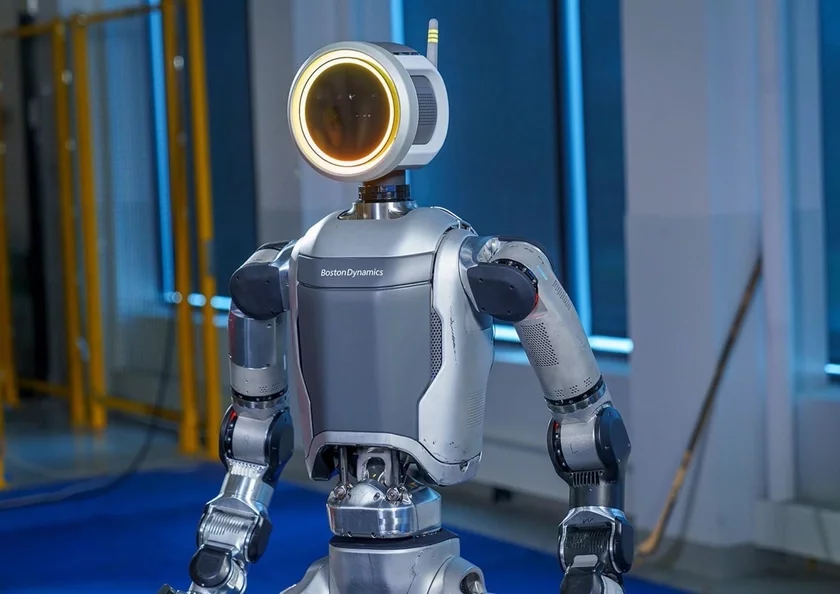
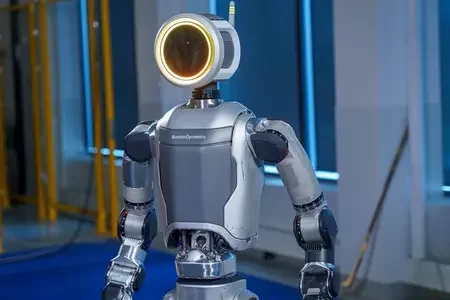
Atlas android, developed by Boston Dynamics. Photo from social networks
This was reported by Engadget, noted the Telegram channel "Bel-Geek.com - Technologies and Science".
Boston Dynamics CEO Robert Playter called the new model "the best robot we have ever created." The commercial Atlas is designed to perform a wide range of industrial tasks requiring strength and flexibility.
The final version is all-electric; the bulky hydraulics were abandoned back in 2024. The new features are impressive: the robot can lift loads weighing up to 50 kg (110 pounds) and has an arm reach of up to 2.3 meters (7.5 feet). It is capable of working autonomously, under operator control, or via a tablet interface within a temperature range of -20°C to +40°C.
Who will receive the robots first?
The first customers will be automotive giant Hyundai, which owns a controlling stake in Boston Dynamics, and Google DeepMind's artificial intelligence laboratory.
Hyundai plans to implement Atlas at its car factories in 2028. Initially, the robots will handle logistics and sequential sorting of parts. By 2030, they will be entrusted with more complex tasks, including direct component assembly, handling heavy loads, and monotonous operations.
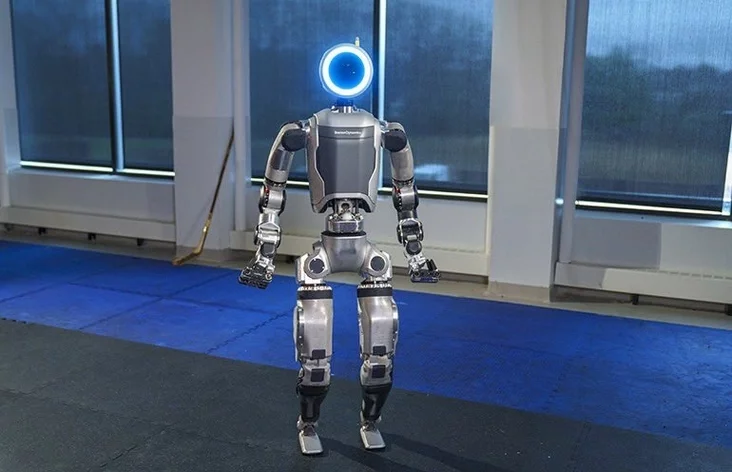
Atlas android, developed by Boston Dynamics. Photo from social networks
Google DeepMind will receive the robots for other purposes: the company will integrate its advanced Gemini Robotics artificial intelligence models into the Atlas system to make the machine more intelligent and capable of learning.
The history of Atlas began back in 2011 as a project for the American military agency DARPA. Over 15 years, the robot has evolved from a clumsy laboratory machine into an agile electric humanoid, ready to replace humans in dangerous and heavy industries.





































Comments