


This is the world's first electric car that can both legally drive on regular roads and take off vertically into the air.
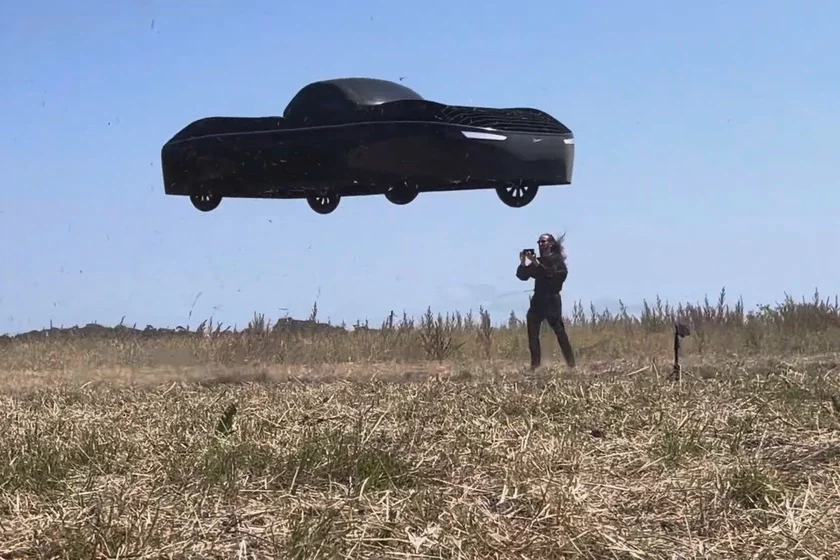
Flying car Model A Ultralight during testing. Photo: informational materials / alef.aero
As reported by Daily Mail, the American company Alef Aeronautics announced the start of production of its futuristic project — the Model A Ultralight. Assembly of the vehicles began strictly on schedule at the company's factory in San Mateo (California, USA).
The company notes that each car will be hand-built and will take several months. The first units will be handed over to a small group of customers for technology testing in real-world conditions.
Owners will have to undergo training (the company claims that learning to control the car takes 15 minutes) and comply with strict safety requirements. The experience gained will help Alef Aeronautics streamline processes before launching mass automated production.
Unlike air taxis, which require special pads, the Alef Aeronautics development is a true "flying car" that can both drive on regular roads and take off vertically into the air.
On the ground, it drives like a regular electric car, thanks to four compact motors in each wheel. The driver-pilot's cabin is surrounded by propellers hidden under a mesh body, which provide thrust for vertical takeoff and flight at speeds up to 177 kilometers per hour.
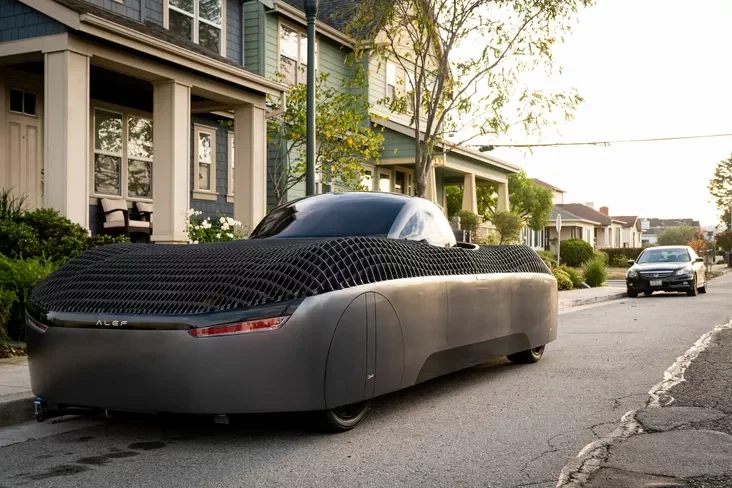
Photo: informational materials / alef.aero
The carbon fiber body, approximately five by two meters in size, allows air to pass through the vehicle while securely enclosing the rotating blades.
The car is designed for two people. Its range on the ground is about 320 km, and in the air — up to 177 km.
Reportedly, the Model A Ultralight, which has now gone into production, is a lighter version of the Model A prototype. To obtain operational approval and remain in the "ultralight" category (weighing only 385 kg), engineers had to make compromises.
Legally, the vehicle is classified as a "low-speed vehicle" (similar to golf carts). This means its speed on public roads is software-limited to 40 km/h, although technically it is capable of going faster. However, these restrictions do not apply in the air.
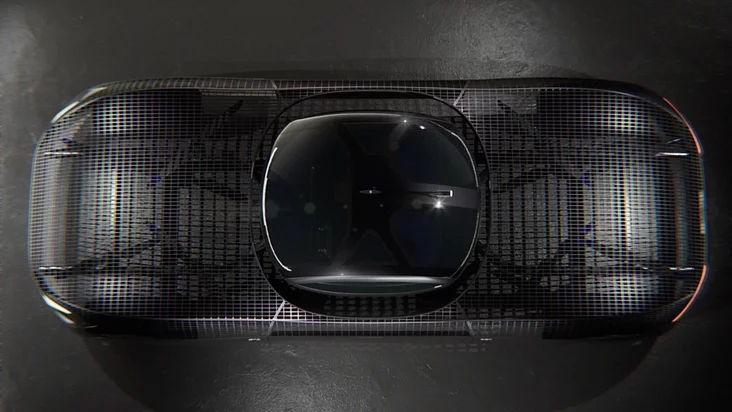
Photo: informational materials / alef.aero
The path to the assembly line took almost ten years. Development began in 2015, and the first prototype was showcased in 2017. The project attracted the attention of renowned investor Tim Draper (who previously supported Tesla and SpaceX), whose fund invested 3 million dollars in the startup.
In 2023, the Model A received a special airworthiness certificate from the U.S. Federal Aviation Administration (FAA).
To date, the company has already collected 3,500 pre-orders totaling approximately 1 billion dollars. The manufacturer hopes that in the future, when production becomes mass-scale, the price of the flying car will decrease and approach the cost of a regular car (approximately 35,000 dollars), making the dream of flying accessible to everyone.
-
Sales of a new Lada model have started in Belarus. What about the prices and how much does its European counterpart cost?
-
Lamborghini cancels the release of its first electric car — absolutely no demand
-
A Nissan rare for Europe, and with right-hand drive, is being sold at the Minsk confiscated goods sale. How much are they asking?














13-year-old Alisa Teplyakova — daughter of a communist from Shklov — graduated from university. But the "Anti-plagiarism" system has questions about her scientific work














Comments
лукашэнку таксама?
Видел кто нибудь замеры по шуму? Конкорд покажется легкой музыкой)