


Slovakia, cut off from the Druzhba oil pipeline, bought seven tankers of oil from other countries
Following the cessation of Russian oil supplies via the Druzhba pipeline, which was damaged on January 27 as a result of a Russian airstrike on Ukrainian territory, Slovakia decided to diversify its raw material sources. The oil refining company Slovnaft, which previously depended entirely on Russian oil, ordered seven tankers from Saudi Arabia, Norway, Kazakhstan, and Libya, Reuters reports .
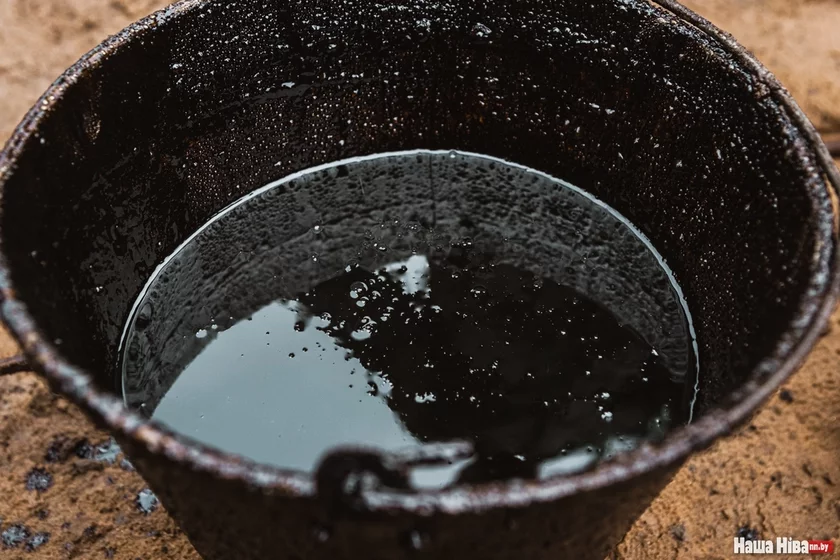
Illustrative photo. Photo: Nasha Niva
The oil will be delivered by tankers to a Croatian port and then transported via the Adria pipeline to Slovakia. This will allow the Slovnaft plant, part of the Hungarian MOL group, to resume full-capacity operations as early as April. Until then, the company will use strategic reserves, which according to EU rules must cover at least 90 days of consumption.
The European Commission stated that there are no short-term risks to the energy security of Slovakia and Hungary. In parallel, Brussels is consulting with Ukraine regarding the repair timeline for "Druzhba".
The Czech Republic also expressed its readiness to help Slovakia and has already sent a small volume of oil in the reverse direction via "Druzhba". For larger-scale supplies, technical changes will be required, which can be implemented within a year.
At the same time, Hungary and Slovakia appealed to the European Commission, asking to allow them to purchase Russian oil by sea, claiming that Ukraine stopped transit for political reasons. However, an EU ban on seaborne deliveries of Russian oil has been in effect since December 2022. Croatia stated that it is possible to increase oil imports through its infrastructure, but the oil must not be of Russian origin, as this effectively contributes to financing the war. Additional problems include US sanctions against major Russian oil companies.
Thus, Slovakia has effectively begun to move away from complete dependence on Russian oil for the first time, seeking alternative supplies from other countries.






















Comments