


US Supreme Court Ruled to Overturn Most Tariffs Introduced by Donald Trump
The US Supreme Court ruled that Trump exceeded his authority by using the International Emergency Economic Powers Act (IEEPA) of 1977 to impose his duties. This applies to a significant portion of the tariffs, but not all of them.
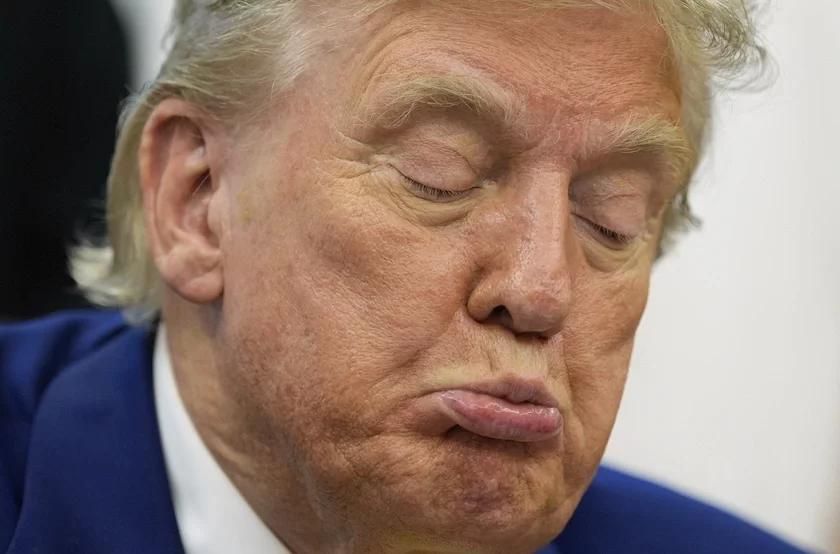
Donald Trump. Photo: Alex Brandon / AP
The US Constitution grants Congress the exclusive right to determine import tariffs, but Trump claimed he could impose duties without legislative approval, relying on IEEPA. The Act allows the president, after declaring a national emergency, to regulate economic operations, including the import of foreign products.
"If Congress intended to grant the President special and extraordinary powers to impose tariffs, it would have done so directly," the Supreme Court's ruling states.
Affected by the court's decision were "reciprocal" duties for most countries worldwide, tariffs on goods from China, Canada, and Mexico, justified by the fight against fentanyl smuggling, as well as "secondary" duties against India in response to its purchases of Russian oil.
Nevertheless, the court's decision does not affect duties on steel and aluminum imports, as they were introduced under different legislative acts.








































Comments