


Scientists have finally solved the mystery of Easter Island, using over 11,000 drone photos.
For decades, people have wondered how a disparate tribal community could have created such an ensemble of massive stone heads. It was believed that a powerful overlord and an army of workers were needed to create the Rapa Nui statues. New high-tech analysis of the island has shown: it seems we were naively mistaken, and the answer lies elsewhere.
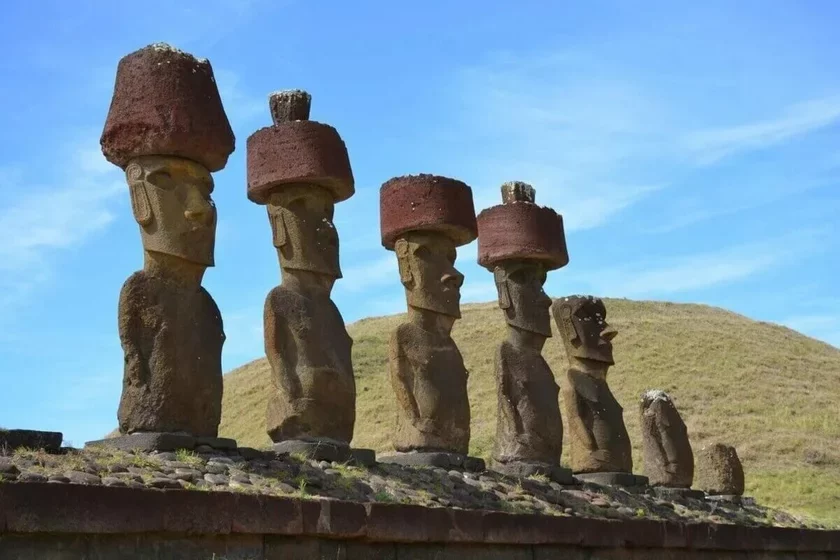
A research team from Binghamton University and the University of Arizona used drones to take more than 11,000 photographs of the Rano Raraku volcanic crater, the main "factory" of statues on Easter Island (Rapa Nui). The statues—Moai—were created by the island's indigenous people between 1250 and 1500 AD.
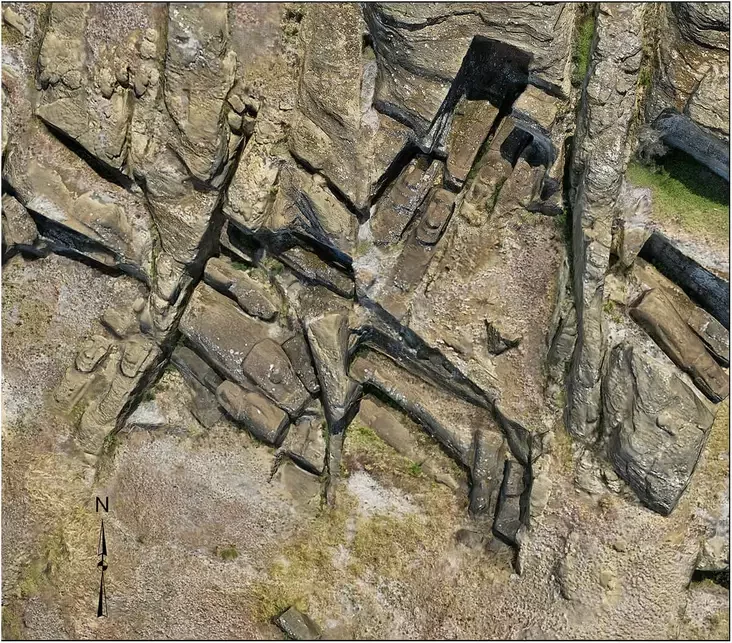
By combining these photos into a detailed 3D model, they created a map of the production site with unprecedented accuracy, revealing features previously invisible from the ground, including traces of tools and 426 statues in various stages of completion—from just started to unfinished and spoiled. This allowed the team to see even the angles at which the carvers approached the volcanic rock.
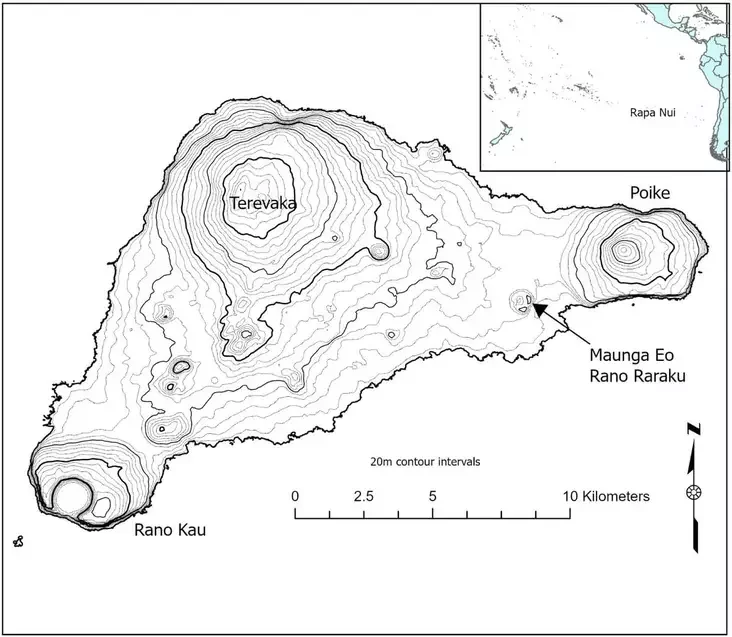
The results of the researchers' work are published in the journal PLOS One.
The 3D analysis identified 30 workshops scattered across the island, each separated by rock formations or natural barriers. Instead of a single organized "factory floor" under the supervision of a foreman, the site functioned as a set of independent cells. This layout confirms that production was not controlled by a central authority but was carried out by semi-autonomous groups working side by side.
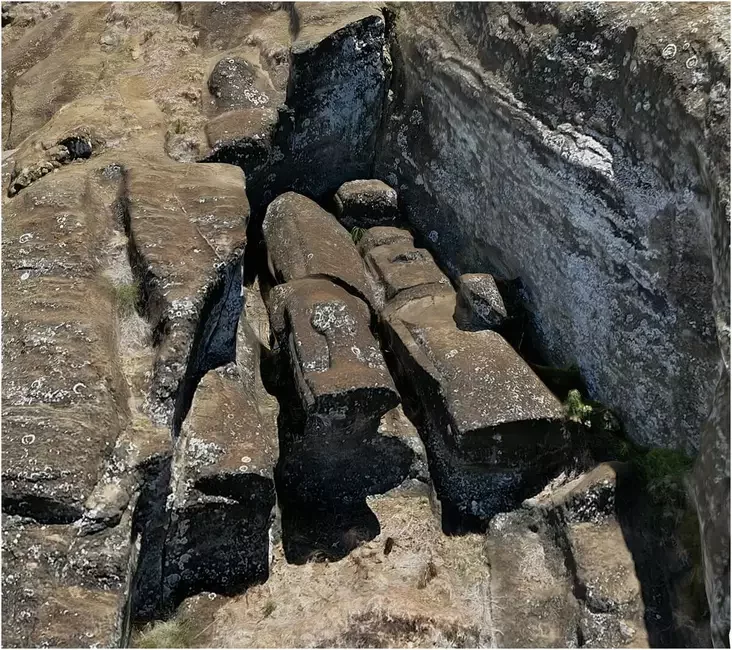
These workshops were operated by small family groups or "mata" (clans), rather than workforces mobilized by a single leader or state. The data suggests that teams of only 15-25 people were sufficient to create the statues. Such groups could transport them and place massive red stone hats on them. The scale of operations indicates cooperation at the family level, negating the need for complex bureaucracy or centralized labor control.
Interestingly, these independent groups used different engineering techniques to achieve the same artistic result. The study revealed different extraction methods—for example, carving the face first versus carving the outline of the block—used by different clans.
This diversity proves that although the mata had different techniques, they shared a unified cultural vision that kept the aesthetics of the moai the same across the island.
The relationships between these groups were likely a mixture of fierce competition and cooperation. Clans competed for prestige through the size and number of their statues, but simultaneously exchanged information and resources to maintain artistic standards. The decentralized nature of the quarries prevented any one group from monopolizing the stone, ensuring sustained access to the island's most valuable resource.
These discoveries fundamentally change our understanding of monumental architecture. The study demonstrates that complex world-class projects do not require vertical hierarchies or kings—horizontal connections and public collaboration are capable of engineering feats that can compete with the achievements of the greatest ancient empires.
All 3D data and the model are available here. An interactive model can be viewed at this link.
«Nasha Niva» — the bastion of Belarus
SUPPORT US-
OpenAI Decides to Permanently Disable Its Popular Artificial Intelligence Model ChatGPT-4o
-
End of the era of completely free AI? ChatGPT gets ads, and here's how they will look
-
"Lego" announces a revolution: a system that brings bricks to life without smartphones has been presented. Here's how it works and how much it costs



































Comments
I voś tut my padychodzim da pytannia, a ci nie centralnaja ŭłada i była matyvataram ? U takim razie, nia maje značennia, jak viałasia vytvorčaść, jana viałasia pa rasparadženni i pad kantroliem centralnaj ułady... Nu, jaki čałaviek sam siabie zahruzić takoj rabotaj - daŭbać i ciahać kamiennie ? jano jamu treba ?
А ў тым, што тых цесляроў трэба карміць, паіць, абараняць, хаты ім крыць і дзяцей гадаваць, пакуль яны той цурбан чэшуць.
А тут як ні круці буйная арганізаваная супольнасць патрэбная.