


Europe discusses creating a new defense alliance with Ukraine as an alternative to NATO
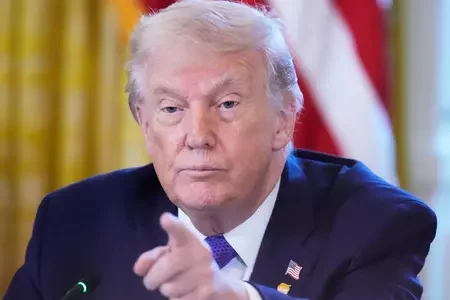
As Politico writes , leaders of key European states have been discussing the policy of US President Donald Trump in a narrow circle for about six months. Ukrainian President Volodymyr Zelensky also participates in these conversations. During this time, a common understanding has formed: Europe must build its security system without relying on the US. The so-called "coalition of the willing" could become the basis for a new military alliance.
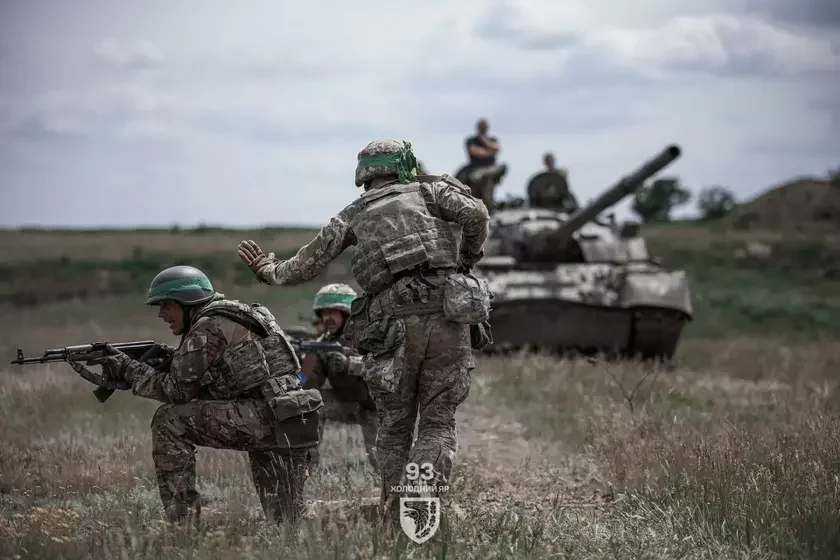
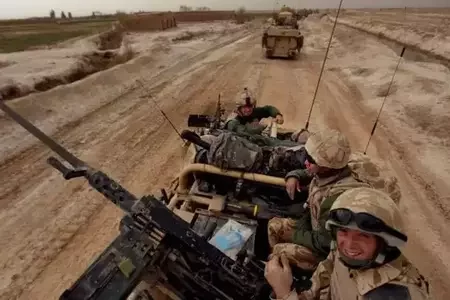
Ukrainian Armed Forces soldiers. Photo: 93rd Mechanized Brigade Kholodnyi Yar
High-ranking European officials note that under Trump, the United States is no longer perceived as a reliable partner in trade or security. In their opinion, the shift in American policy is long-term, so it is pointless to expect the situation to normalize on its own — an organized and coordinated transition to a new reality is needed.
The possible new format is seen as the basis for a military alliance at a time when the US is effectively stepping back from its role as guarantor of European security and NATO support. Cooperation with America is not ruled out, but it will no longer be considered automatic.
If Ukraine, which has the most combat-ready army in Europe, joins such an alliance, then together with France, Germany, Poland, Great Britain, and other countries, the coalition will be able to possess significant military potential, including both nuclear and non-nuclear states.
Initially, during the first six months of Trump's presidency, Europeans tried to engage in dialogue with Washington according to the old rules of transatlantic relations. However, over time, they became increasingly active within the "coalition of the willing" — a group of about 35 countries ready to support Ukraine without US involvement.
Within this coalition, a so-called "Washington group" was formed, which included leaders who visited Washington with Zelensky last summer. According to diplomats, this cooperation has led to very close contacts between key figures.
This group includes British and Italian Prime Ministers Keir Starmer and Giorgia Meloni, German Federal Chancellor Friedrich Merz, French and Finnish Presidents Emmanuel Macron and Alexander Stubb, as well as European Commission President Ursula von der Leyen. They have a closed chat for quickly discussing urgent issues and developing a common position in response to Trump's actions. Zelensky also participates in these discussions.
Against the backdrop of Ukraine's path to NATO being effectively blocked, the significance of the alliance itself is diminishing, as guarantees of military support from the US are no longer perceived as unconditional. Including Ukraine in a European coalition would allow it to coordinate defense policy with partners and rely on their assistance.
Concrete proposals for strengthening defense without the US are also emerging in Europe. For example, European Commissioner for Defence Andrus Kubilius recently proposed creating a permanent European armed force of about 100,000 people and a European Security Council with permanent and rotating members, including the UK. According to him, investment in defense should be such that Europe can act as a single force, not as a collection of 27 separate armies.
In France, a draft resolution on withdrawal from NATO has already been submitted to parliament. The author of the initiative, left-wing MP Clemence Guetté, explains this by the US's return to an openly imperial policy in which the EU is relegated to a subordinate role.
In response to Trump's harsh moves, including those around Greenland, European politicians in private conversations have begun discussing even more radical measures — from ending support for the American military presence in Europe to regaining control over US bases.
Now reading





"I hear Dzianis speaking Russian for the first time." Popular Belarusian-speaking car blogger gave an interview in Russian. Commentators asked many questions.























Comments