


Gerhard Schröder again called not to "demonize" Russia. He was sharply rebuked
European politicians and media severely criticized former German Federal Chancellor Gerhard Schröder after his calls not to "demonize Russia" and to resume supplies of Russian energy resources. Schröder outlined his position in an article for the Berliner Zeitung newspaper, suggesting to reduce confrontation with Moscow, writes Euronews.
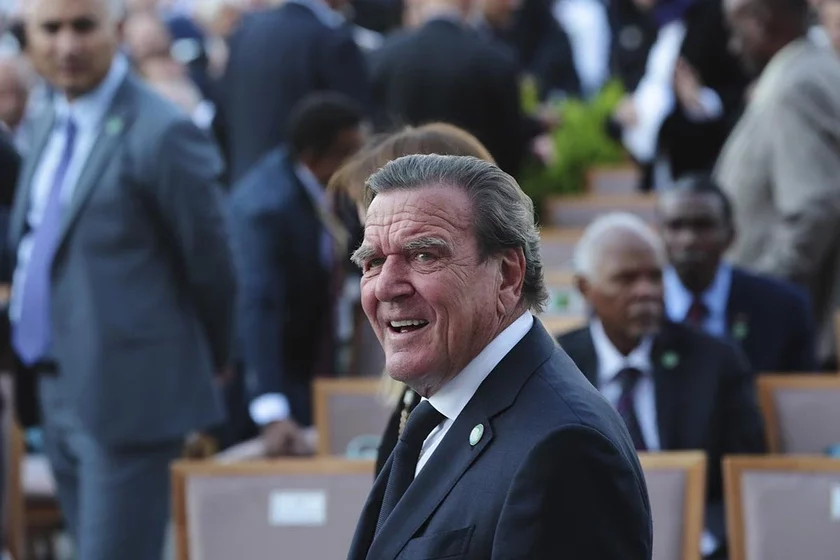
Gerhard Schröder. Photo: Burhan Ozbilici / AP
Schröder called Russia's full-scale war against Ukraine a violation of international law and stated that the conflict must be resolved through diplomacy. At the same time, he emphasized that he still considers the policy of rapprochement with Russia, which he pursued while chancellor, to be correct.
Such statements provoked a sharp reaction in Germany. Social Democratic Party foreign policy expert Michael Roth stated that nobody is "demonizing" Russia, because it isolated itself by aggressively violating international law. He called the Kremlin the biggest threat to security and peace in Europe and warned about the danger of habitual business relations with an imperialist dictatorship.
Criticism also came from other German politicians. CDU representative Thomas Rovekamp noted that Schröder's words do not correspond to the reality of the war and that today a clear position is needed, not sympathy for the aggressor. CSU politician Reinhard Brandl called Schröder's article a typical set of arguments from "Putin's friends," emphasizing that the West did not attack Russia, but Russia attacked Ukraine.
The discussion quickly spread beyond Germany. Estonian Foreign Minister Margus Tsahkna sharply reacted to calls not to "demonize" a country waging the most brutal war in Europe since World War II. He noted that this conflict was the result of years of misguided appeasement policy and belief that trade could restrain an aggressor.
Ukraine reacted particularly sharply to Schröder's statements. Foreign Ministry spokesman Georgy Tikhiy accused the former chancellor of helping to make Germany and Europe dependent on Russian gas and, thus, contributing to the preparation of the war. In an emotional tone, he stated that the responsibility for the consequences of this policy also lies with Schröder.
Gerhard Schröder headed the German government from 1998 to 2005. After leaving politics, he participated in Russian energy projects, including Nord Stream, and from 2007, he chaired the board of directors of Rosneft. He left this position only in May 2022, after the start of the full-scale war in Ukraine, which further intensified criticism against him in Europe.
Now reading




"We invested a million dollars in Belarus." 94-year-old Nadzeya Zaprudnik — about her love for the country, life during World War II, and the trials of Belarusians













Comments