


The winter rhythm of life often feels heavier: short days, long evenings, and, as a result, late dinners. Experts argue that changing mealtimes specifically in the winter can make this rhythm a little easier for our bodies and minds.
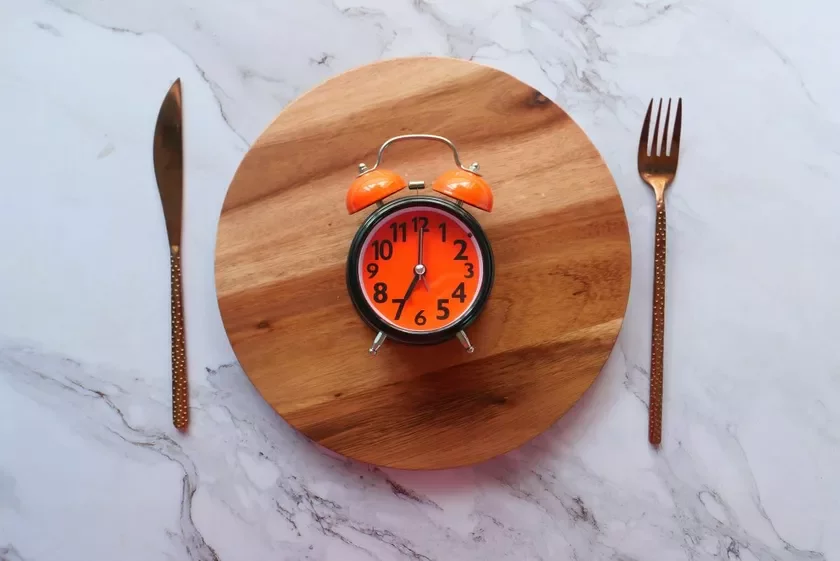
Today, it's hardly news to anyone that our bodies work according to circadian rhythms — internal 24-hour clocks that regulate sleep, digestion, hormone production, and metabolism. These rhythms are naturally synchronized with light and darkness. Therefore, when daylight disappears earlier, our metabolism also begins to slow down earlier.
This connection between metabolism and daylight helps explain why more and more research in the field of chrononutrition (the science of the connection between nutrition and biological rhythms) suggests that the timing of food intake may be almost as important as what we eat.
For example, one study, which The Conversation draws attention to, showed that healthy adults who ate dinner at 10 pm had 20% higher blood sugar spikes and burned 10% less fat compared to those who ate dinner at 6 pm. And this is despite the fact that both groups ate absolutely the same dishes and went to bed at the same time.
A broad analysis of 29 clinical trials confirms this trend: early "eating windows" and consuming the majority of calories in the first half of the day are associated with greater weight loss, better blood pressure, and lower cholesterol levels. Conversely, regular late-night snacks increase the risk of obesity and type 2 diabetes.
In winter, especially in northern latitudes, which include Belarus, short days and long nights can disrupt circadian rhythms. Lack of sunlight can reduce serotonin levels, which contributes to poor mood or seasonal depression. If you add to this the long evenings at home, your hand reaches for a snack on its own, and dinner is postponed "for later."
But digestion, hormone release (including those that help with sleep), and even the number of calories you burn during the day are governed by biorhythms. When we eat too close to bedtime, the processes of digestion overlap with the body's rest phase. This worsens sleep quality and harms metabolism.
Three Reasons to Eat Dinner Earlier
So, is it worth shifting dinner to an earlier time in winter? For most people, the answer is yes. And here's why.
First, it's a matter of metabolic synchronization: eating at a time when your metabolism is still active promotes better blood sugar control, energy utilization, and fat burning.
Second, it's important for digestion: a break of several hours between dinner and sleep allows the digestive system to "calm down," which improves the body's recovery at night.
Third, it supports mood and biorhythms: a consistent eating window and an earlier dinner can help establish a daily routine, which is especially useful when other time signals (such as daylight) are weak.
However, it is important to remember that there is no one-size-fits-all solution. A professional athlete who trains in the evening will need a late meal for recovery. An office worker with low activity, on the contrary, will be better suited to a light early dinner.
Instead of strict prohibitions, try a "mindful eating" approach. Consider your goals, schedule, and well-being. If you eat dinner after 9:00 pm and wake up tired, it's worth trying to eat earlier. But if you train late or eat dinner in company, that's also normal — focus on quality rather than time, choosing light, balanced meals and leaving at least two to three hours before bedtime.
Useful Tips for Winter Nutrition
- Try to finish dinner between 5:30 pm and 7:00 pm, or at least 2-3 hours before bedtime.
- Redistribute calories. Make breakfast and lunch more substantial, while it's light outside and your metabolism is active.
- Plan around activity. If you train late, eat the main course earlier, and have a light snack after class.
- Maintain a consistent eating schedule. Try to finish eating before 8:00 pm on most evenings.
- Analyze and adjust. Pay attention to how the timing of food intake affects your energy, sleep quality, and mood over a week or two, and then change the schedule as needed.
- Stay flexible, remembering that perfection is not necessary — a regular schedule and awareness of what you need is important.
In winter, paying attention to the timing of food intake can be key to well-being. The healthiest rhythm is one that is in harmony with both your biology and your lifestyle.

















Wife discouraged DFR lieutenant colonel from taking bribes, but he said "I'll get colonel – and retire": first pension arrived already in prisoner's account





















Comments
абед больш СЫТНЫМ, пакуль на дварЫ светла
----
плотный
1) (плотно прилегающий) шчыльны
плотное прилегание крышки — шчыльнае прыляганне накрыўкі
плотный огонь — шчыльны агонь
2) (крепкий) моцны
(массивный) тоўсты, дзябёлы, грубы , гаматны
(частый) часты
(густой) густы (твёрдый, тугой) цвёрды, тугі
плотный дождь — часты дождж
плотный дым — густы дым
плотная бумага — тоўстая папера
плотное сукно — тоўстае (грубое) сукно
3) (крепкого телосложения) мажны, дзябёлы (коренастый) каржакаваты
плотный мужчина — мажны мужчына
4) (сытный) сытны
плотный обед — сытны абед
(На дварэ норм, так у песні Завіруха спяваюць: "на дварэ ні машын, ні людзей" (на словы Генадзя Бураўкіна).