


"TRP is a privilege, not a right." The new head of Lithuania's Migration Department answered questions burning for Belarusians too
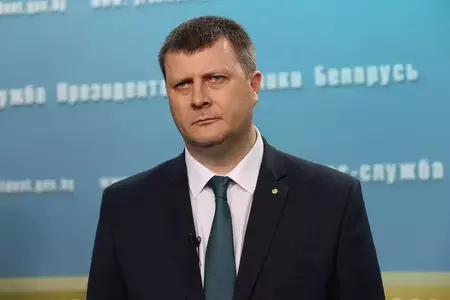
Indrė Gasparienė, the new head of the Lithuanian Migration Department, who took over the agency in January 2026, answered in an LRT interview a number of questions about the process of obtaining and extending temporary residence permits (TRP) and permanent residence permits (PRP) in this country, court cases and delays in document processing, the issuance of alien passports, and consequences for Belarusians for their past.

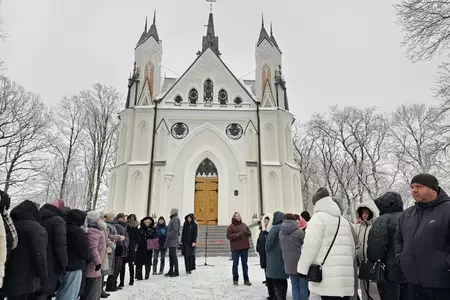
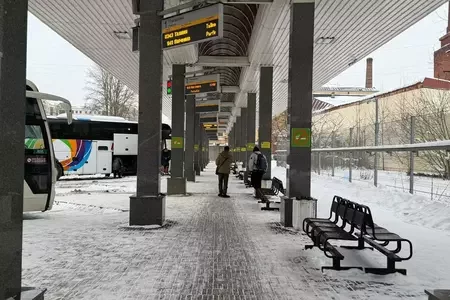
Illustrative photo. Photo: Nasha Niva
During the interview, Indrė Gasparienė specifically noted that some of the foreigners living in Lithuania are citizens of Belarus. If they face problems extending the validity of their passports or their children's passports due to the risk of persecution in Belarus, Lithuania can issue an "alien's passport" to those who genuinely cannot return to Belarus to obtain a national document.
"An alien's passport is issued only to those who genuinely cannot return to their country or obtain a national passport. This concerns a small group of people. For example, in 2024, 216 alien's passports were issued, 155 of which were to citizens of Belarus, out of 50,000 Belarusians arriving in Lithuania. According to still unconfirmed data, in 2025, about 300 passports were issued, with 249 of them to Belarusians. Compared to the tens of thousands of Belarusians living in Lithuania, this is a small number. If a person is not a political refugee, is not sentenced to imprisonment in Belarus, if a person regularly travels to Belarus and can obtain a national passport, there are no grounds for issuing an alien's passport in Lithuania," emphasizes the official.
The main criterion for refusing or revoking status in Lithuania is a threat to national security. Decisions are made based on the conclusion of the State Security Department and must be justified, although information is often not disclosed due to state secrets.
In addition to security issues, refusals can be caused by violations of migration legislation or abuse of status: for example, if a person obtains a TRP in Lithuania but actually lives in another country. Simple administrative violations rarely become grounds for revoking a TRP or PRP — only in cases of numerous systematic violations or serious crimes, when feedback from other agencies is also taken into account.
As for court cases on migration issues, there are currently about 220 in Lithuania, mainly related to non-extension of TRPs and work permits. The official assures that the Department strives to use courts only where the decision is truly justified, and seeks opportunities to resolve disputes peacefully.
Questions about delays in document processing are very pertinent. By law, decisions should be made within four months, but in reality, people wait 7-9 months. Delays are due to the need for checks by other departments, especially the Public Security Department, the police, and the border service. The new MIGRIS system, which will be modernized from March 2026, should speed up the process. If the delay is due to the department's fault, the person is not expelled from the country and is given an additional period.
Gasparienė also answered a question about the so-called "punishment for the past," which Belarusians often face. When making decisions, service in the army or work in state structures of other countries may be taken into account, especially in those currently considered unfriendly to Lithuania.
"Work in a particular structure or institution is not, in itself, the sole and automatic ground for refusal. For example, if a person is a refugee and cannot return to their country of origin due to a real threat of imprisonment, they can receive protection in Lithuania and will be protected from the regime.
However, in cases where a person has worked in the structures of the Ministry of Internal Affairs, the army, or similar departments, and regularly returns to their country of origin, the State Security Department verifies whether they have maintained ties with the regime. A combination of factors is assessed: current contacts, trips, social and professional connections.
For example, if military service took place 20 years ago and since then the person has not maintained any ties, this is generally not enough for a negative decision. But if, at the same time, they regularly travel to their country of origin where unfriendly regimes are active, this already raises additional questions.
There's a common myth: "I'm an ordinary person and of no interest to special services." This is not true. Anyone can be of interest, especially if they have contacts, connections, or regular trips. They can be recruited, somehow used as a so-called "sleeper" agent. Even mobile devices and digital footprints can be valuable for gathering information.
Each case is considered individually – taking into account family status, presence of children, and level of integration into Lithuanian society. These decisions are not easy. It is actually assessed where the center of a person's life is located: in Lithuania – with family, friends, and social environment – or in the country of origin, where they constantly return and where their social life is centered. All these factors are taken into account, even if the applicant does not see or realize them," states Indrė Gasparienė.
If a child is born in Lithuania to parents with a TRP, they receive the same status as their parents. The possibility of obtaining a PRP depends on fulfilling legal conditions and family stability. In the family reunification process, the length of residence in Lithuania, stability of income and employment, and the legality of the marriage are assessed.
Gasparienė notes that having Lithuanian roots or a desire to integrate does not automatically guarantee obtaining a TRP or citizenship.
A TRP, she says, is a privilege, not a right, and decisions are made individually taking into account state security.
The integration of foreigners into the country's life is supported through educational programs and language courses, but the department is not directly involved in this.




















Comments
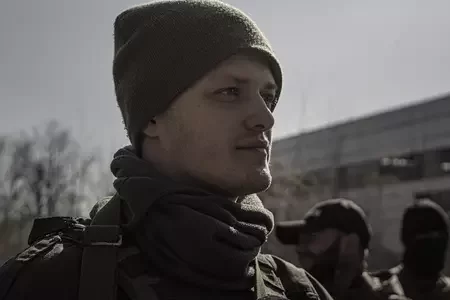
экс-байцу палка Каліноўскага Васілю Верамейчыку толькі на той падставе што той некалі служыў у войску Лукашэнкі і толькі па гэтаму нібы "падтрымлівае агрэсію Масковіі супраць Украіны"???
І гэта да чалавека які сваей уласнай крывею ахвараваў у вайне ваюючы супраць Масковіі на баку Украіны. Байцу палка імя Каліноўскага, дзе беларускіх добраахвотнікаў больш чым жадаючых ў Летуве ваяваць супраць Масковіі. Чалавеку які меў дзяржаўныя узнагароды ЗСУ, якія ен заслужыў праліваючы ўласную кроў у тым ліку і за свабоду Летувы стрымліваючы агрэсара ва Украіне.
Васілю Веремейчыку чыноўнікі Летувы не толькі адмовілі ў ВНЖ, не толькі адмовілі ў праве на уз'еднанне з яго сям'ёй, не толькі забаранілі знаходжанне ў Летутве, але і ў Эўразьвязе.
Ў выніку Васіль Верамейчык вымушаны быў выехаць з Эўразьвязу і далей быў схоплены карнікамі лукавага, атрымаў незаконны і велізарны прысуд, стаў вязнем.
Ягоная дачка пазбаўлена бацькі, а жонка мужа. У тым ліку з-за жахлівай памылкі чыноўнікаў Летувы якія так і не прызналі сваей жахлівай памылкі зламаўшы лес чалавеку і ягонай сям'і.