


In Spain, surgeons performed the first face transplant from a donor who died as a result of euthanasia
In Spain, for the first time in the world, a face transplant was performed from a donor who underwent euthanasia. The operation took place at the Vall d'Hebron University Hospital in Barcelona and became an important event in global medicine, opening up new possibilities for complex transplantations and reconstructive surgery, writes Euronews.
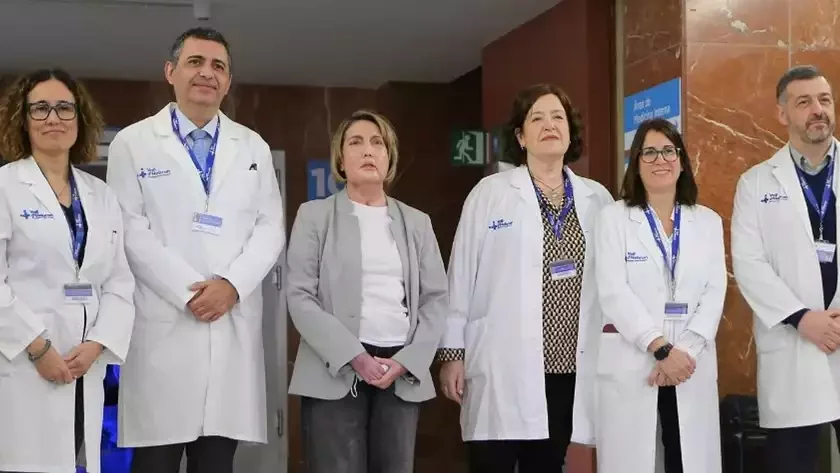
Surgeons who performed the operation. Photo: Vall d'Hebron
The new face was received by a patient who developed severe tissue necrosis due to an infection, which impaired essential functions — breathing, chewing, and speech. The transplant allowed for partial restoration of external appearance and the beginning of functional recovery.
Before her death, the donor clearly expressed her wish to donate her organs and tissues after euthanasia, which allowed medics to plan the operation in advance and accurately prepare the tissues for transplantation.
The operation was led by Dr. Joan Pere Barret, head of the Department of Plastic Surgery and Burns, and involved about a hundred specialists: surgeons, anesthesiologists, nurses, as well as experts in microsurgery, immunology, and mental health.
Dr. Barret noted that this type of operation requires extremely complex preparation and long-term observation, as skin, muscles, nerves, and bone structures are transplanted, and continuous use of immunosuppressants is necessary to prevent rejection of donor materials.
The clinic emphasized that everything was carried out in strict accordance with ethical and legal norms, and expressed gratitude for the donor's generosity and her family, without whom the operation would have been impossible.
The Vall d'Hebron Clinic in Barcelona is one of the world's leading centers for face transplantation. In 2010, the world's first full face transplant was performed here, and since then the clinic has performed several more similar operations, cementing its international leadership in complex reconstructive surgery.




































Comments